Budget Survival Meal Planner
How to use: Select the foods you have available or a small budget to spend. This tool calculates the Satiety Score (how full you'll feel) and Nutritional Value based on survival priorities.
Select Available Ingredients
Survival Analysis
The goal here isn't to give you a gourmet meal plan, but to show you exactly where to find food right now and how to make the most of whatever you can find. From food banks to community fridges, there are safety nets designed for this exact moment.
Getting Help Immediately
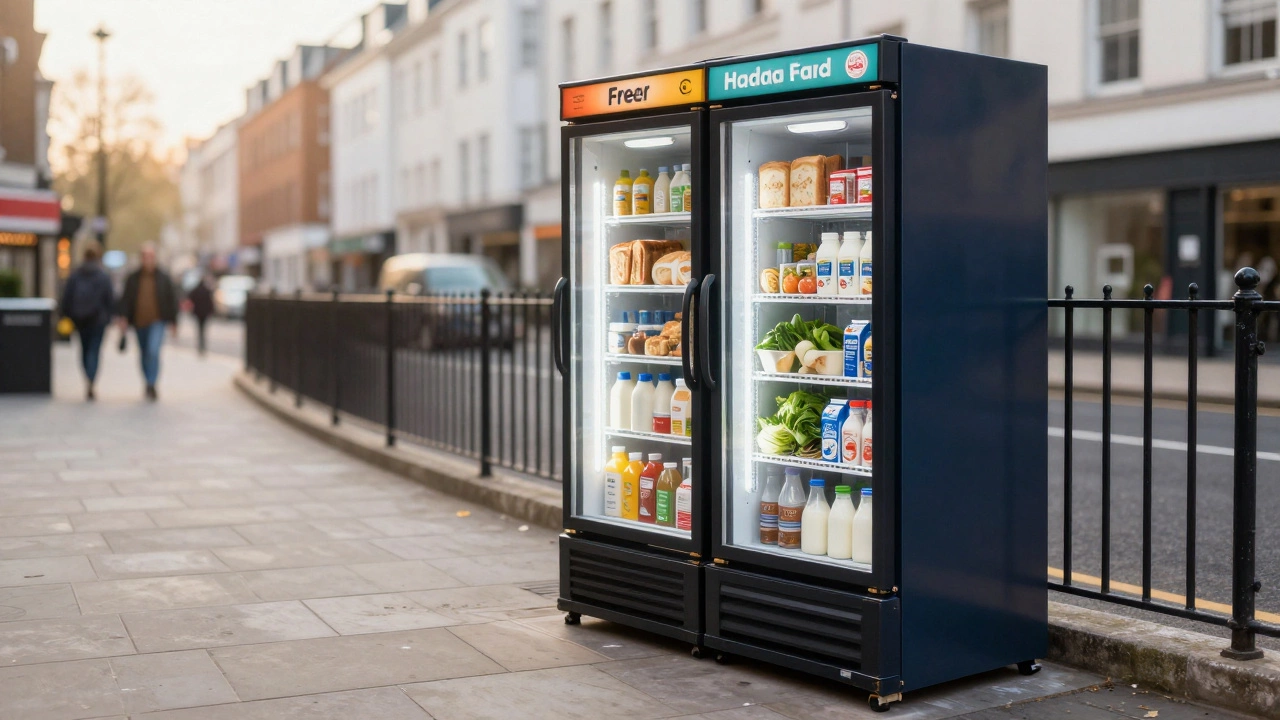
When you have absolutely nothing in the cupboard, the first step is to find an immediate source of calories. You don't have time to wait for a government application to process. Look for Community Fridges, which are shared refrigeration units where local businesses and individuals leave free food for anyone to take. These are often located in city centers or community hubs and don't require paperwork or proof of income.
If those aren't available, head to a Food Bank. A food bank is a network of distribution centers that provide emergency food supplies to people in crisis. Depending on where you live, some may require a referral from a professional-like a doctor or a social worker-while others operate on an open-door policy. Don't let the fear of judgment stop you; these services exist because the system fails people every day.
Another fast option is searching for "Free Food" or "Community Kitchens" on social media platforms. Many religious organizations, like the Sikh Temple (Gurdwara), provide free meals (Langar) to anyone regardless of their faith or background. This is a reliable way to get a hot, nutritious meal immediately.
The Best Cheap Foods for Maximum Energy
Once you get a small amount of money or a food box, you need to prioritize "nutrient density.'" You want foods that keep you full for hours, not minutes. Forget the fancy health trends; you need calories and protein to keep your brain functioning so you can figure out your next move.
Focus on these heavy hitters: Dried Lentils and beans are the gold standard for survival eating. They are incredibly cheap, packed with protein, and can be bulked up with water. Oats are another powerhouse; a large bag of porridge oats costs pennies and provides steady energy throughout the morning.
Don't overlook Potatoes. They contain a surprising amount of vitamins and are one of the most satiating foods on the planet. If you can find frozen vegetables, grab them. They are often cheaper than fresh ones and keep their nutrients longer, which prevents you from wasting food if you can't cook it all at once.
| Food Item | Primary Benefit | Why it's a Winner |
|---|---|---|
| Dried Lentils/Beans | Protein & Fiber | Extremely cheap per calorie; very filling. |
| Oats | Complex Carbs | Low glycemic index; prevents mid-day crashes. |
| Potatoes | Energy & Potassium | High satiety index; versatile cooking. |
| Peanut Butter | Healthy Fats/Protein | High calorie density; doesn't require refrigeration. |
| Canned Tuna/Sardines | Omega-3s/Protein | Long shelf life; essential for brain function. |
Navigating the Food Bank Process
Walking into a food bank for the first time can feel intimidating. To make the process smoother, it helps to know how they usually work. Most food banks operate on a "parcel" system. You'll receive a box containing a mix of staples: pasta, canned soup, rice, and sometimes fresh produce or bread.
If you have specific dietary needs-like a gluten allergy or a strict vegan diet-tell the volunteers immediately. While they can't always guarantee every item, they often have alternative options if they know in advance. Be honest about your situation, but know that you don't need to "prove" your poverty to be deserving of help. The staff are there to support you, not to audit your life.
Keep a list of what you already have at home. If you have a bag of rice but no sauce, tell the volunteer. This helps them give you a balanced parcel that actually allows you to make a complete meal rather than just a pile of ingredients you can't use together.
Creative Cooking with Almost Nothing
When your ingredients are limited to a few cans and some grains, cooking becomes a game of improvisation. The goal is to avoid "flavor fatigue," which happens when you eat the same bland mush for a week and lose your appetite.
If you have a can of chickpeas, don't just eat them plain. Mash some of them into a paste with a bit of oil or salt to make a spread. If you have potatoes and an onion, roasting them together creates a much more satisfying meal than boiling them. If you're lucky enough to find a few packets of soy sauce or bouillon cubes, save them for the end of the meal to add a burst of "umami" flavor that tricks your brain into feeling more satisfied.
Water is your best friend for bulking. Adding extra water to a thin soup or a pot of lentils makes the meal feel larger and keeps you hydrated, which can often be mistaken for hunger. If you have access to a microwave or a slow cooker, use them to soften tough, cheap cuts of meat or dried beans that would otherwise take hours on a stove.
Long-Term Stability and Support
Emergency food is a band-aid. To stop the cycle, you need to connect with broader social services. In many regions, there are Food Pantries, which differ from food banks by allowing you to "shop" for what you need rather than receiving a pre-packed box. These are often run by churches or community centers and provide more dignity and choice.
Look into government assistance programs. In the UK, for example, applying for Universal Credit or local council support funds can provide the financial bridge needed to get back on your feet. Don't wait until you are completely out of options to start the paperwork, as these systems are notoriously slow.
Consider joining a "Community Supported Agriculture" (CSA) group or a local food coop. Some of these organizations have sliding-scale pricing or volunteer-for-food programs where you can spend a few hours a week helping in a garden in exchange for fresh vegetables. This not only solves the food problem but provides a social connection, which is vital when you're struggling with the isolation of poverty.
Do I need an appointment to visit a food bank?
It depends on the location. Many food banks require a referral from a professional (like a GP or social worker), while "community larder" or "food pantry" styles are often walk-in. Always check their website or social media page first to avoid a wasted trip.
What should I bring with me to a food bank?
Bring a reusable bag if you have one, as some centers don't provide them. If you have a referral letter, bring it. Also, bring a list of any food allergies or dietary restrictions so the volunteers can give you safe options.
Are there any apps that help find free food?
Yes, apps like Too Good To Go allow you to buy surplus food from restaurants and bakeries at a tiny fraction of the cost. While not always free, it's a way to get high-quality meals for a couple of pounds. For completely free food, local Facebook groups or "Freecycle" are often more effective.
How can I tell if a food bank is legitimate?
Legitimate food banks are usually affiliated with recognized charities, religious institutions, or local government councils. They will never ask you for money to receive food. If a service asks for a "registration fee," it is not a standard emergency food bank.
What is the most filling thing I can buy with $1/£1?
Dried lentils or a large bag of generic-brand oats usually offer the most calories and satiety per penny. Potatoes are also a great choice, as you can buy them in bulk and they keep you full for a long time.
Next Steps for Different Situations
If you are currently homeless or staying in a temporary shelter, your priority is high-calorie, portable food. Focus on peanut butter, crackers, and canned tuna-things that don't require a stove and won't spoil quickly. Search for "soup kitchens" in your city for immediate hot meals.
If you have a home but no income, focus on "stockpiling" cheap staples. When you do get a small amount of money, don't buy processed snacks. Spend it on 5kg bags of rice or dried beans. This creates a safety buffer so that if your next payment is delayed, you aren't starting from zero again.
If you are a student, most universities have a dedicated "Hardship Fund" or a campus food pantry. These are often less publicized than general food banks but are designed specifically for students facing sudden financial crises.