Mutual Aid Fund Calculator
Calculate how historical social clubs built community funds through small weekly contributions. In the 1800s and early 1900s, these funds provided essential support for members during hardships—before government safety nets existed.
Total Community Fund:
This represents the collective savings of a historical social club
Long before social media, people gathered in person to talk, share, and build something bigger than themselves. Social clubs weren’t just places to hang out-they were the backbone of community life for over a century. From working-class men’s clubs in 19th-century Britain to women’s literary societies in rural America, these groups served real, practical needs that modern life often leaves unmet.
Building Community in a Time Before Connectivity
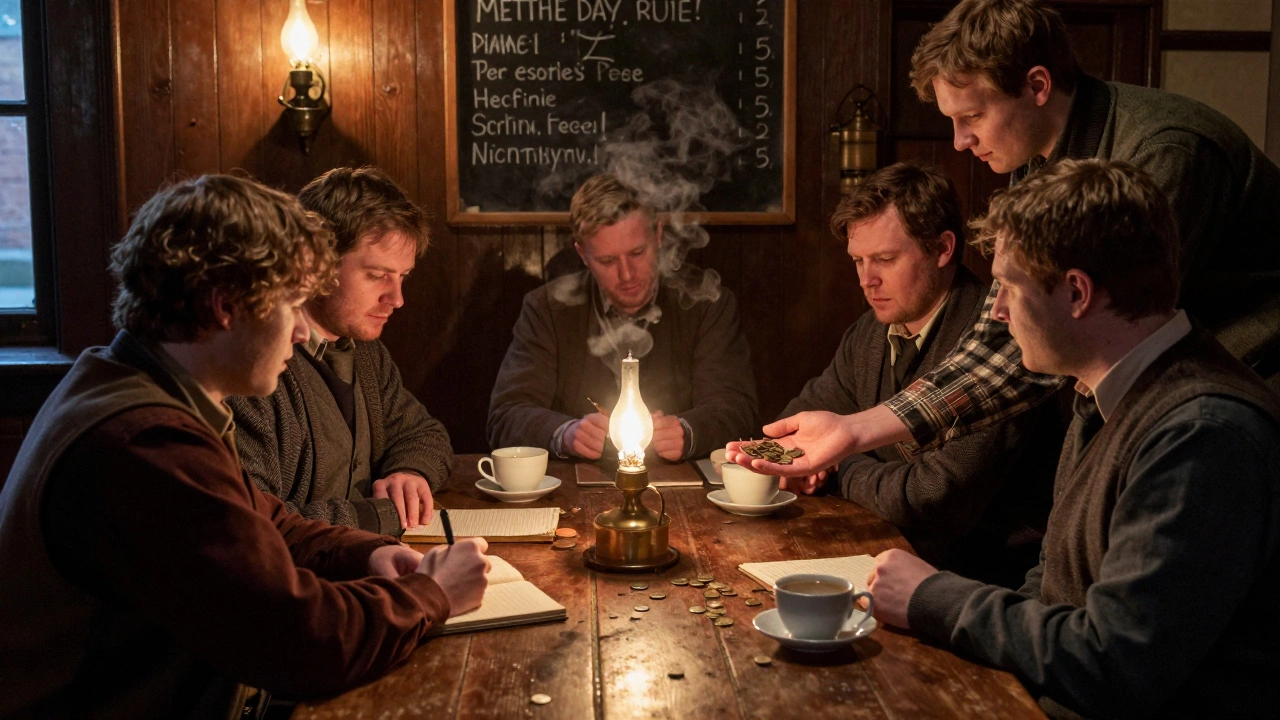
In the 1800s and early 1900s, most people lived in tight-knit neighborhoods. But even then, not everyone had family nearby. Social clubs filled the gap. They gave people a place to belong. A factory worker in Manchester didn’t just show up to drink beer-he found a network that helped him get a job, borrowed money in hard times, and buried his wife when no one else could afford a funeral. These weren’t fancy venues. Often, they were just a rented room above a pub, with a wood stove, a few chairs, and a chalkboard listing meeting times.
Clubs were also safe spaces. For immigrants, they were where you learned the language, got advice on housing, and met someone who’d been through the same struggles. Jewish immigrants in New York formed mutual aid societies that paid for medical care. Irish laborers in Boston started clubs that helped new arrivals find work. These weren’t charities-they were peer networks, built on trust.
More Than Just Drinking: The Real Functions of Social Clubs
People often think of social clubs as places for drinking and gossip. But their real value was in structure. Many clubs had formal rules, elected officers, and dues. That structure meant something: commitment. Members didn’t just show up when they felt like it. They showed up because they had skin in the game.
Some clubs ran schools. In Philadelphia, the Working Men’s Club was a nonprofit organization that provided evening classes in reading, arithmetic, and mechanical drawing to adult laborers. In London, the Mechanics’ Institutes offered free technical education to factory workers, helping many move into skilled trades. These weren’t government programs. They were funded by members’ weekly dues.
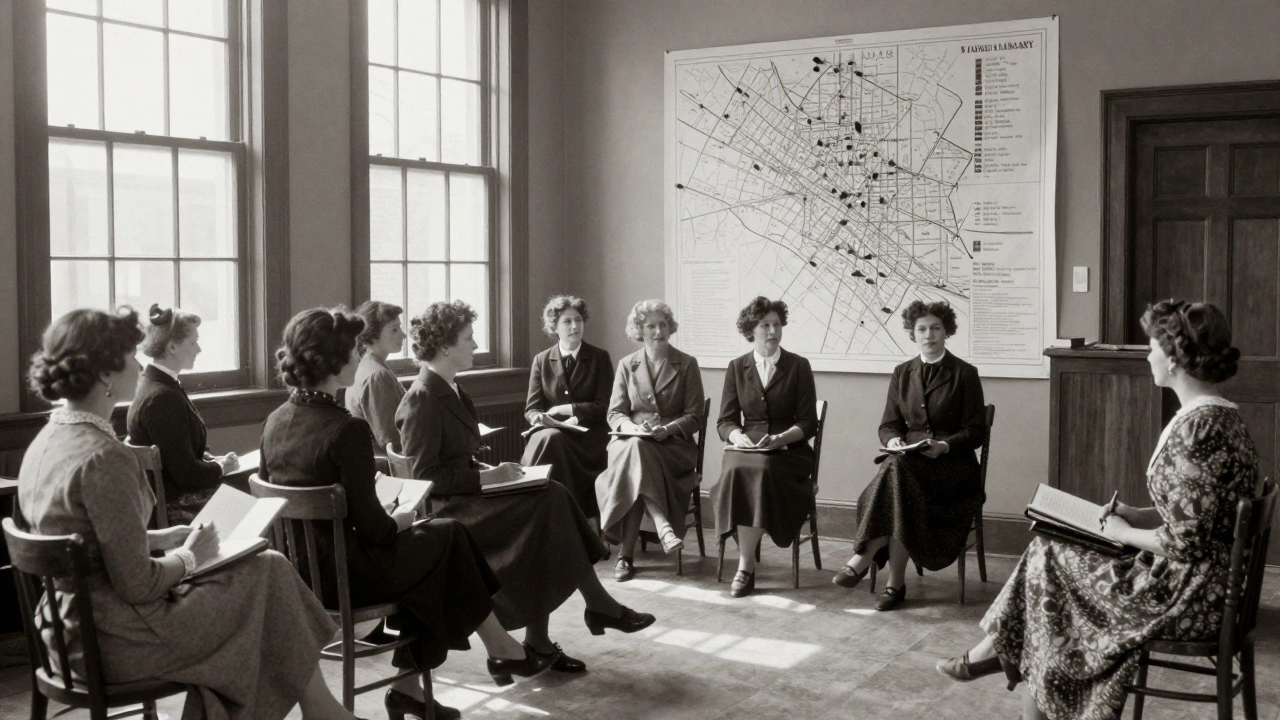
Women’s clubs were especially powerful. In an era when women couldn’t vote or own property in many places, they used clubs to organize. The General Federation of Women’s Clubs, founded in 1890, had over a million members by 1920. They lobbied for public libraries, clean water, child labor laws, and better schools. They didn’t wait for permission. They built the systems they needed.
Support Systems Before Social Safety Nets
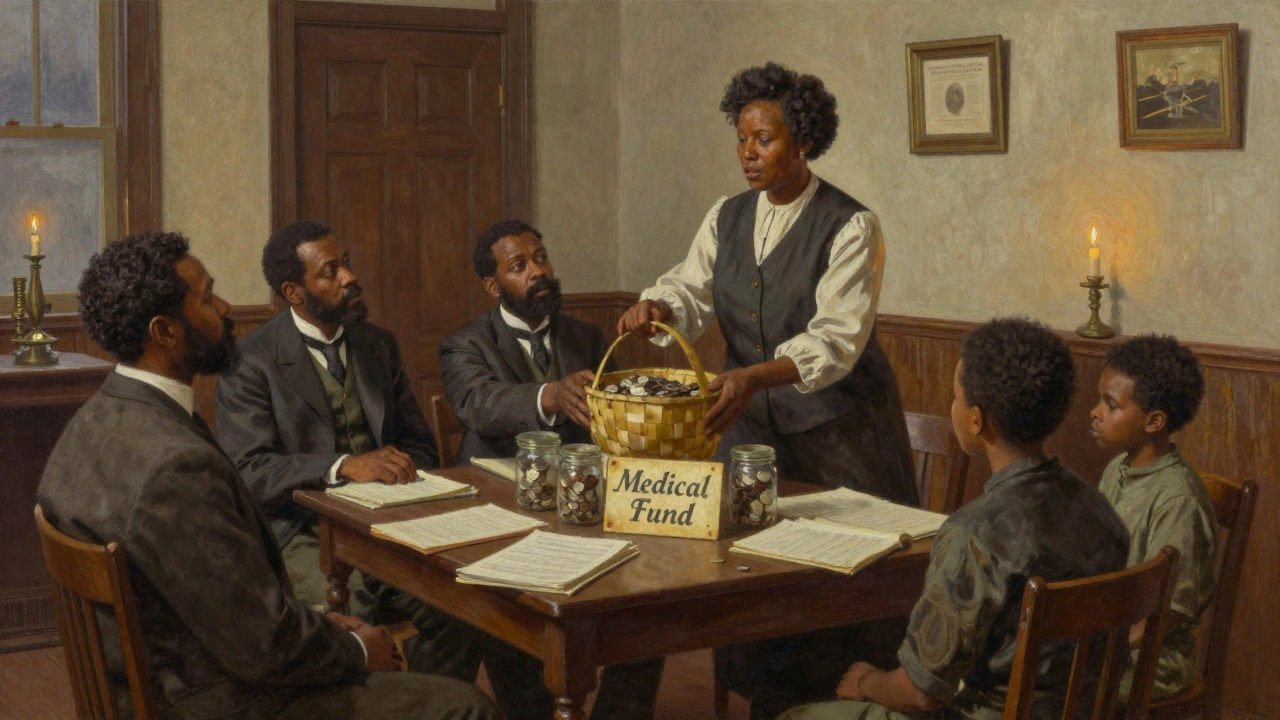
Before unemployment insurance, before Medicare, before public housing-social clubs were the safety net. Many clubs kept a fund. If a member lost his job, he could apply for a small loan. If his child got sick, the club might pay for medicine. If he died, the club paid for the funeral. In some places, clubs even owned burial plots.
In the American South, Black churches often doubled as social clubs. They hosted job fairs, literacy classes, and savings circles. The Mutual Aid Societies run by African American communities in cities like New Orleans and Richmond pooled money to cover medical bills and funeral costs, since mainstream institutions often refused them service. These weren’t secret societies-they were essential infrastructure.
Clubs as Political Training Grounds
Many of the biggest social movements started in clubs. The labor movement in the U.S. and Europe didn’t begin in factories-it began in union halls and working men’s clubs. Members learned how to debate, how to draft petitions, how to vote. They practiced leadership. They built public speaking skills by giving talks at weekly meetings.
Women’s suffrage groups often met in literary clubs. The Woman’s Club Movement in the U.S. gave women the platform to speak publicly, organize rallies, and lobby state legislatures, long before they had the right to vote. In Britain, the Fabian Society started as a small reading group in a London parlor. By 1900, it was shaping the Labour Party.
Why Did Social Clubs Decline?
They didn’t disappear overnight. They faded as government and corporations took over their roles. After World War II, Social Security, public schools, and union benefits replaced the need for mutual aid. Suburbanization broke up neighborhood ties. Television pulled people indoors. By the 1970s, many clubs had closed.
But the loss wasn’t just about services. It was about connection. When clubs vanished, people lost the habit of showing up for each other. No one was collecting dues. No one was keeping a ledger of who needed help. No one was checking in.
What We Lost-and What We Can Rebuild
Today, loneliness is a public health crisis. Studies from the American Psychological Association show that over 40% of adults report feeling isolated, with rates rising sharply since 2010. We have apps for everything-but no one to share a meal with.
Some places are trying to bring back the model. Community centers in Detroit and Portland now host weekly “neighborhood clubs”-not for games, but for problem-solving. People meet to fix potholes, start food pantries, or organize childcare swaps. They’re not called clubs. But they’re doing exactly what the old clubs did: creating belonging through structure, shared responsibility, and regular contact.
The lesson is simple: people need more than entertainment. They need to matter to each other. Social clubs didn’t just offer activities-they offered purpose. And that’s something no app can replace.
Were social clubs only for men?
No. While many early clubs were male-dominated, women formed their own clubs that were often more organized and politically active. In the U.S., women’s clubs ran libraries, pushed for public health reforms, and lobbied for child labor laws. In Britain, the Women’s Institute started in 1915 and became a major force in rural communities. These groups had tens of thousands of members and operated for decades with clear leadership structures.
Did social clubs have anything to do with religion?
Some did, but most didn’t. Many clubs were secular and deliberately avoided religious ties to include people of all backgrounds. However, churches often hosted clubs, especially in Black and immigrant communities. In those cases, the church provided space and moral authority, but the club itself focused on practical needs-job help, childcare, financial aid-not worship. The line between religious and social was often blurred, but the purpose was always community support.
How did social clubs get funding?
Most relied on member dues. Weekly payments of a few cents added up. Some clubs held bake sales, dances, or raffles. Others rented out space or ran small businesses-like a printing press or a lending library. In rare cases, wealthy patrons donated, but the majority were self-sustaining. This self-reliance made them resilient. When the government stepped in later, many clubs had already been operating for 30, 40, or even 50 years.
Are there any social clubs still active today?
Yes-but they’re different. Traditional clubs with dues and meeting minutes are rare. But modern equivalents exist: community gardens, book clubs, neighborhood watch groups, and mutual aid networks. In cities like Oakland and Minneapolis, people are reviving the old model by forming small, local groups that meet weekly to solve problems. They don’t call them clubs, but they function the same way: consistent meetings, shared responsibility, and mutual support.
Why did clubs work better than government programs back then?
They didn’t work better-they worked differently. Government programs were slow, distant, and often biased. Clubs were local, personal, and flexible. If your neighbor lost his job, you knew about it. You could help him before he fell behind. Government aid required paperwork, waiting lists, and proof of need. Clubs just asked: “Can you make it to the meeting tomorrow?” That personal connection made all the difference.