
Homeless Support Navigator
Answer a few questions about your current situation to receive personalized recommendations for safe places to go.
General Safety Tips
- ✓ Arrive early at shelters; beds are often first-come, first-served.
- ✓ Keep essential documents in a waterproof pouch close to your body.
- ✓ If rejected, ask staff for alternative locations or contact street outreach teams.
- ✓ Trust your instincts. If a place feels unsafe, leave and try another location.
Imagine waking up with no keys, no lease, and nowhere to put your bag. The panic sets in fast. You need a roof, but not just any roof-you need one that is safe, accessible, and won’t leave you worse off than sleeping on the pavement. Finding the right place when you are homeless isn't about guessing; it's about knowing which doors actually open.
Most people think the answer is simply "a shelter." But shelters vary wildly. Some are chaotic and dangerous. Others are quiet, structured, and offer real pathways out of crisis. This guide breaks down exactly where you should go first, second, and third, depending on your immediate needs and long-term goals. We’ll look at emergency options, transitional housing, and the hidden gems like day centers that many overlook until they desperately need them.
The Immediate Priority: Emergency Shelters and Night Stops
If you have nowhere to sleep tonight, your first stop is usually an emergency shelter. These facilities provide temporary beds, often for a few nights or weeks, while you figure out your next move. They are designed for survival, not comfort. Expect shared rooms, strict curfews, and limited privacy.
But here is the catch: not all shelters are created equal. In major cities, the best ones are often run by established charities rather than private contractors. Why? Because charitable organizations tend to focus more on holistic support-helping you get ID documents, connect with health services, or find employment-rather than just warehousing bodies.
- City Mission Centers: Often religious-affiliated but open to all. They typically offer meals, showers, and a bed. Good for stability if you can adhere to their rules.
- Council-Run Hostels: Funded by local government. These are often safer and more regulated than private alternatives. Check if your local council has a "night stop" scheme.
- Seasonal Warming Centers: Open only during winter months. Don’t rely on these year-round, but know they exist as a safety net when temperatures drop below freezing.
A pro tip: Arrive early. Many shelters operate on a first-come, first-served basis for beds. If you show up late afternoon, you might be turned away. Always call ahead if possible. Staff can tell you if they have space or if you should head to a backup location.
Beyond Survival: Transitional Housing and Supported Living
Once you’ve secured a night’s sleep, the goal shifts from survival to stability. This is where transitional housing comes in. Unlike emergency shelters, transitional programs offer longer stays-often six months to two years. They provide a semi-independent living environment, usually a small apartment or a room in a house, combined with case management.
Why is this better than staying in a shelter? Because shelters induce stress. Constant noise, lack of sleep, and fear of theft make it nearly impossible to plan for the future. Transitional housing gives you the mental space to apply for jobs, attend appointments, and rebuild your routine.
Look for programs labeled as "Housing First." This model prioritizes getting people into permanent housing without requiring sobriety or employment first. Research consistently shows that stable housing makes it easier to tackle other issues like addiction or mental health struggles. If you see a program advertising "wraparound support," ask what that actually means. Does it include a dedicated caseworker? Weekly check-ins? Help with utility bills?
| Option Type | Duration | Best For | Key Benefit | Potential Drawback |
|---|---|---|---|---|
| Emergency Shelter | 1-30 days | Immediate crisis | Free bed and meal | Lack of privacy, strict rules |
| Transitional Housing | 6-24 months | Stabilization phase | Case management, independence | Waitlists, application process |
| Day Center | Daily access | Hygiene, mail, socializing | Showers, laundry, internet | No overnight stay |
| Street Outreach | On-site | Those refusing shelters | Food, water, medical aid | Temporary relief only |

The Hidden Resource: Day Centers and Drop-In Spaces
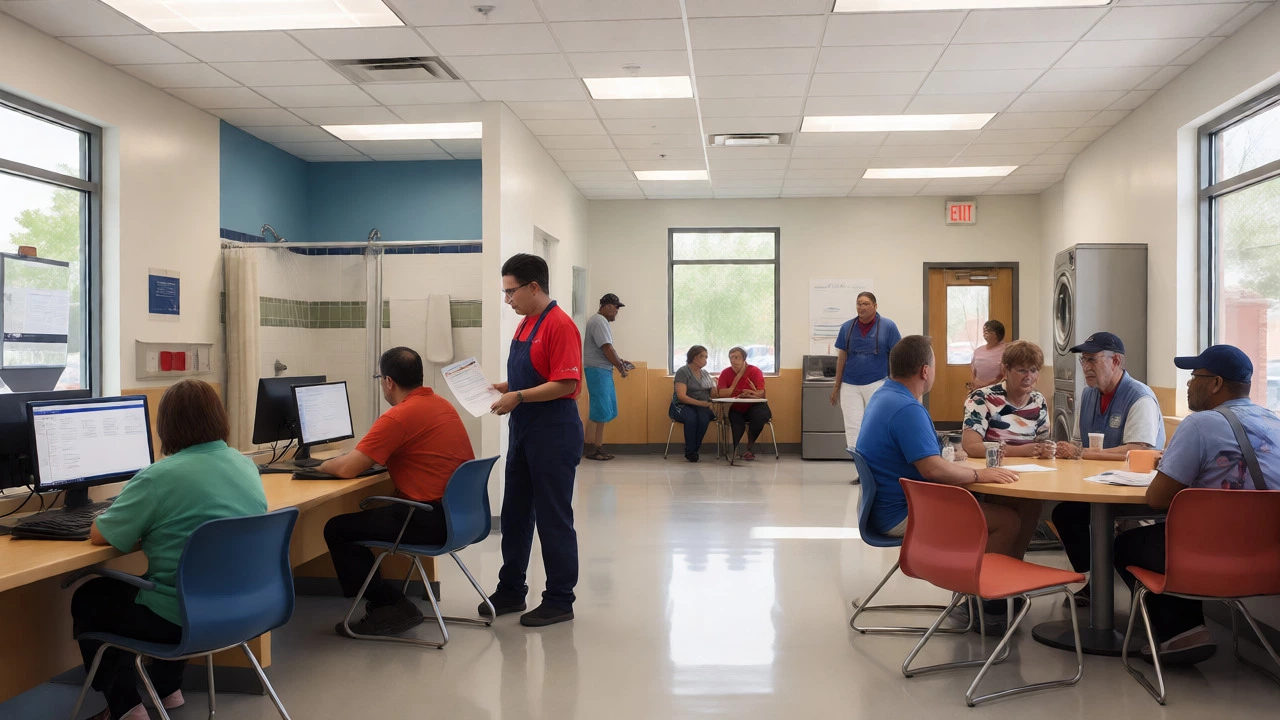
Many people miss this crucial piece of the puzzle. Day centers are facilities open during the day that do not require you to stay overnight. They are lifesavers for those who feel unsafe in shelters or prefer to sleep rough but need daytime resources.
What can you actually do there? Most offer hot showers, laundry facilities, and mailing addresses. Having a place to receive letters is vital for applying for benefits, opening bank accounts, or contacting employers. Without a fixed address, you become invisible to the system. A day center fixes that.
They also provide free meals, coffee, and sometimes basic healthcare screenings. Staff members are often trained to help navigate bureaucratic hurdles, such as replacing lost identification documents. If you are hesitant to enter a shelter due to past trauma or fear of violence, start with a day center. Build trust with the staff. Let them know your situation. They can often guide you toward quieter, smaller accommodations that match your personality and needs.
Specialized Services: Veterans, Families, and Women
Generic shelters aren’t always the best fit. Certain groups face unique challenges that require specialized environments. If you fall into one of these categories, seek out targeted services immediately.
Veterans: Military service creates specific bonds and traumas. Organizations like the Salvation Army or local veterans’ trusts often run hostels exclusively for former service members. The camaraderie and understanding among peers can significantly reduce isolation.
Families: Sleeping rough with children is traumatic and dangerous. Look for family-specific hostels or supported lodgings. These places prioritize child safety and often coordinate with schools to keep education uninterrupted. Do not assume general shelters will accept children; many do not.
Women: Mixed-gender shelters can be intimidating or unsafe for women, particularly those fleeing domestic violence. Women-only hostels offer higher security and tailored support services, including counseling and legal advice related to abuse. If you are a woman seeking refuge, prioritize gender-segregated spaces.
Navigating the System: How to Access These Places
Knowing where to go is half the battle; getting through the door is the other half. Here is a practical checklist to maximize your chances of acceptance and support.
- Gather Documents: Even if expired, bring any ID you have. Social Security cards, birth certificates, or driver’s licenses speed up intake processes. If you have nothing, tell the staff. There are protocols for verifying identity.
- Contact Local Councils: In many countries, local authorities have a legal duty to assess your housing need. Request a "homelessness assessment." Be honest about your circumstances. Vague answers lead to vague solutions.
- Utilize Street Outreach Teams: If you cannot travel to a shelter, outreach workers come to you. They carry maps, contact lists, and sometimes transport vouchers. Engage with them. They act as navigators to the wider support network.
- Ask About Waitlists: For transitional housing, waitlists can be long. Ask if there is a priority list for vulnerable individuals (e.g., elderly, disabled, pregnant). Get your name on every relevant list.
Remember, rejection is common. It doesn’t mean you don’t deserve help; it often means capacity limits. Keep trying different locations. Persistence pays off. One refusal today might turn into an acceptance tomorrow if a spot opens up.
Safety and Personal Belongings
When moving between places, protect your belongings. Theft is a real risk in crowded shelters. Invest in a sturdy backpack with locking zippers. Keep essential documents in a waterproof pouch inside your clothing layer, not just in the bag.
Trust your instincts. If a shelter feels aggressive or poorly managed, leave. Your safety outweighs the convenience of a free bed. Look for signs of active management: clean facilities, visible staff, and clear rules. Chaos often signals underfunding or understaffing, which increases risk.
Finally, maintain connections. Isolation deepens homelessness. Use day centers to meet others in similar situations. Share information. Someone else might know a new opening at a hostel you haven’t heard of yet. Community is a resource, too.
Do I need an ID to enter a homeless shelter?
Not always. While having ID helps, most shelters and day centers will admit you without it. Staff can often assist in obtaining temporary identification or connecting you with agencies that replace lost documents. Never let the lack of ID stop you from seeking help.
Can I stay in a shelter with my pet?
This varies greatly. Many traditional shelters prohibit pets due to hygiene or space constraints. However, some progressive programs and specific animal-friendly hostels allow dogs or cats. Check ahead. If no shelter accepts pets, look for partnerships with local veterinary clinics or animal welfare charities that offer boarding assistance for homeless owners.
How long can I stay in emergency housing?
Typically, emergency shelters limit stays to 7-30 days. This is designed to prevent long-term dependency and encourage movement toward transitional or permanent housing. Some councils may extend this period if you are actively engaged in a housing plan, but policies differ by region.
Are homeless shelters free?
Yes, most publicly funded and charity-run shelters are free of charge. They cover costs through donations and government funding. Private motels used as emergency overflow may charge fees, so always confirm costs before checking in.
What should I do if a shelter turns me away?
Ask the staff for alternative recommendations. They often know nearby facilities with available space. Contact local street outreach teams who can advise on current vacancies. Additionally, request a written record of the refusal, which can be useful when appealing decisions with local housing authorities.