Volunteer Impact Calculator
Measure Your Volunteering Impact
This tool calculates both personal benefits for volunteers and community impact based on your commitment level. Research shows that consistent volunteering creates deeper, more meaningful results.
Your Personal Impact
Mental Health Benefits
Volunteering regularly reduces stress and depression risk by up to 27%.
Social Connections
Build meaningful relationships through consistent engagement.
Skill Development
Gain transferable skills valuable in your career.
Community Impact
Supporting Vulnerable Groups
Your work directly helps those who need it most.
Building Community
Creates stronger, more connected neighborhoods.
Sustainable Change
Long-term commitment creates lasting impact.
Key Insight
Research shows that the most significant personal gains happen when volunteering is consistent—once a week or more—and involves meaningful interaction, not just one-time events. A single day of volunteering won't change your life. But showing up every week to serve can build relationships, trust, and personal growth.
When you sign up to volunteer, you’re usually told how much good you’re doing for others. And sure, that’s true. But what no one tells you often enough is that volunteering doesn’t just help the people you’re serving-it changes you, too. In fact, the biggest rewards often come back to the volunteer. So who really benefits more? The answer isn’t simple, and it’s not always who you think.
The immediate impact on those being helped
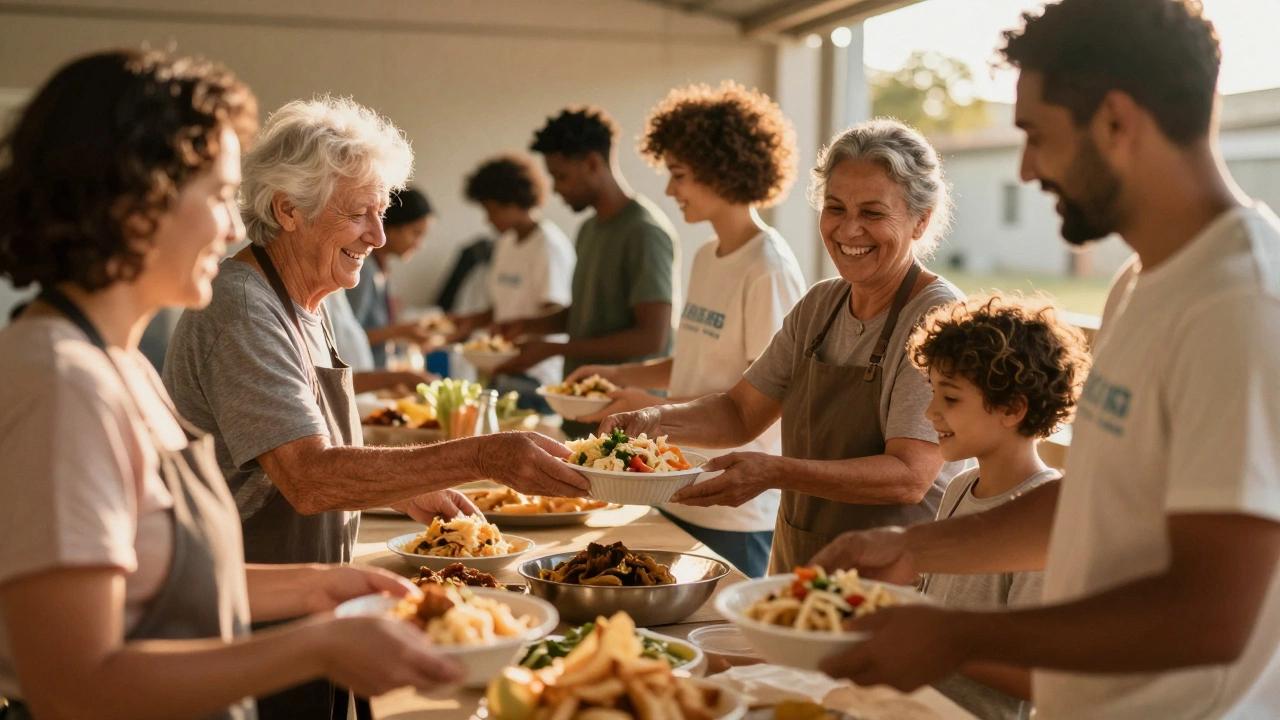
Let’s start with the obvious. Volunteers show up when no one else does. They serve meals to people without homes, tutor kids who fall behind in school, clean up parks that the city can’t afford to maintain, and sit with elderly neighbors who haven’t had a visitor in weeks. These aren’t small acts. In 2025, over 60 million Americans volunteered through organized programs, contributing more than 4.1 billion hours of labor. That’s the equivalent of 2 million full-time jobs.
Nonprofits rely on this. A 2024 study by the Urban Institute found that 87% of small community organizations said they couldn’t operate without volunteers. Food banks, animal shelters, literacy programs-they all run on unpaid help. Volunteers don’t just fill gaps; they keep entire systems alive. For someone struggling with hunger, a volunteer-delivered meal isn’t charity-it’s survival. For a child with no access to tutoring, a volunteer’s weekly session might be the only reason they graduate high school.
The hidden benefits for volunteers
But here’s what most people overlook: volunteering isn’t a one-way street. People who volunteer regularly report better mental health, stronger social ties, and even improved physical health. A 2023 analysis from the Journal of Public Health tracked over 10,000 adults for five years. Those who volunteered at least once a month were 24% less likely to develop depression and 27% less likely to report chronic stress.
Why? Because helping others activates the same reward pathways in the brain as eating chocolate or winning a prize. It’s called the “helper’s high.” But it’s more than biology. Volunteering gives people purpose. It pulls them out of their own problems and into something bigger. For someone who’s retired, lonely, or stuck in a dead-end job, showing up to sort donations or lead a youth group can bring back a sense of identity.
There’s also a practical side. People who volunteer often gain skills they can’t get in a classroom. Teaching a class? You learn public speaking. Organizing a fundraiser? You learn budgeting and logistics. Managing a team of volunteers? You build leadership. A 2025 LinkedIn survey found that 41% of hiring managers viewed volunteer experience as equally valuable as paid work when evaluating candidates-especially for entry-level roles.
Who gets more out of it? It depends
There’s no single answer to who benefits more. It depends on context.
For someone living in poverty, a volunteer’s help might mean the difference between eating or going hungry. For a teenager with no family support, a mentor could be the reason they stay in school. These are life-altering impacts. On the other hand, a volunteer who’s burned out from work might find renewed energy by planting trees on weekends. Or a recent college grad might land their first job because they led a campus clean-up campaign that caught a recruiter’s eye.
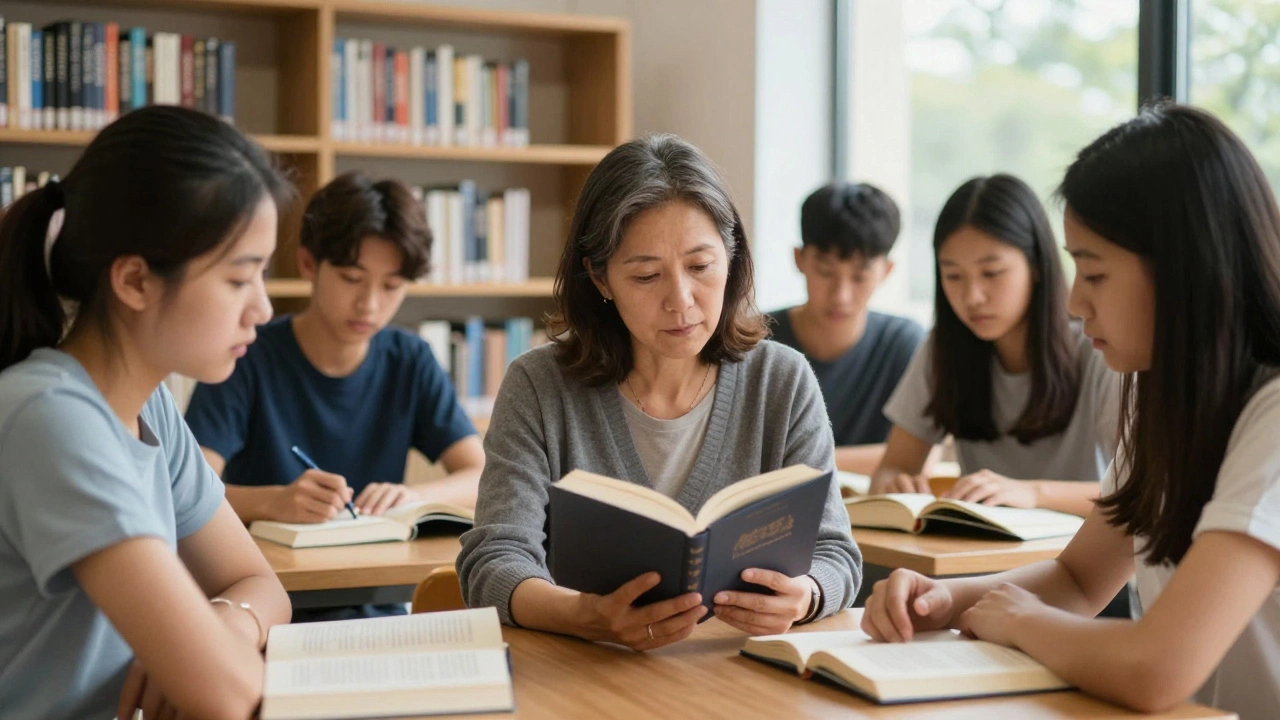
Research from the Corporation for National and Community Service shows that the most significant personal gains happen when volunteering is consistent-once a week or more-and involves meaningful interaction, not just one-time events. A single day of painting a shelter wall won’t change your life. But showing up every Tuesday to read to kids? That builds relationships, trust, and personal growth.
It’s not a competition
Trying to decide who benefits more-volunteers or recipients-is like asking whether a plant benefits more from sunlight or water. You need both. The system only works when the giver and receiver are connected.
Volunteers don’t show up to collect points. And recipients don’t need to “earn” help. The magic happens in the space between: when someone shows up, not because they have to, but because they choose to. That choice creates ripples.
One woman in Detroit started tutoring kids at her local library after her son dropped out of school. She didn’t expect to feel better-but she did. Her confidence grew. She went back to college. Five years later, she’s a social worker. Meanwhile, the kids she tutored? Two are now in college. One started a nonprofit for at-risk teens.
That’s not luck. That’s connection.
What kind of volunteering creates the deepest impact?
Not all volunteer work is the same. Some activities create stronger bonds and longer-lasting change.
- Long-term commitments (6+ months) lead to deeper relationships and measurable outcomes.
- Skills-based volunteering-like offering legal advice, graphic design, or accounting help-gives nonprofits real capacity.
- Volunteering with people you wouldn’t normally meet breaks down stereotypes and builds empathy.
- Group volunteering (like church groups, corporate teams, or school clubs) builds community among volunteers too.
On the flip side, one-off events like single-day food drives or holiday toy collections, while well-intentioned, rarely create lasting change. They’re helpful, yes-but they don’t build trust. And trust is what turns a handout into a hand-up.
Who’s left out?
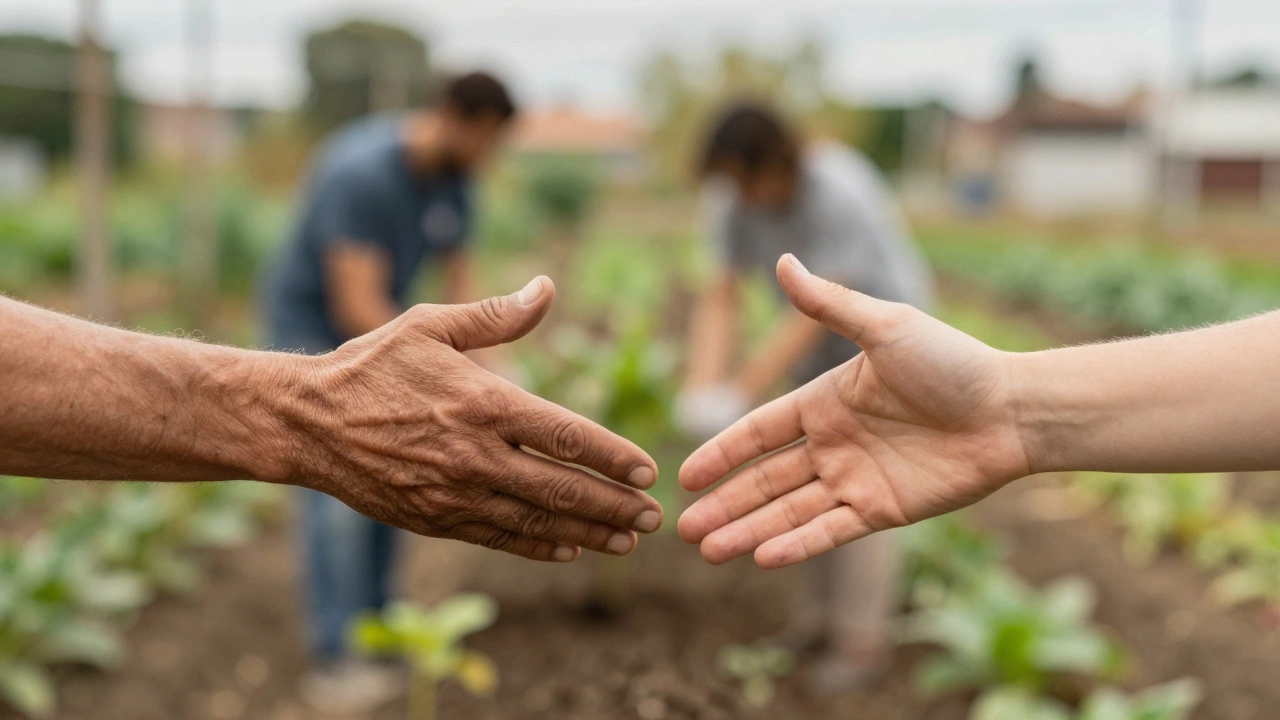
There’s a blind spot here. The people who need volunteers the most-homeless individuals, undocumented immigrants, rural elders-are often the least likely to have access to them. Organizations serving these groups are the most underfunded and the most dependent on volunteers. But they also struggle to attract them.
Why? Because these roles are harder. They’re emotionally draining. They require cultural awareness. They don’t make for good Instagram posts. So while urban food pantries might have 50 volunteers on a Saturday, a rural clinic serving seniors might have one.
True equity in volunteering means recognizing that the most vulnerable communities need the most consistent, skilled, and respectful support. It’s not about how many people show up-it’s about who stays.
How to volunteer in a way that helps everyone
If you want to make a real difference-for others and for yourself-here’s what works:
- Find a cause that connects to your values, not just your schedule.
- Commit to regular hours-not just during holidays.
- Ask the organization: “What do you need most?” Don’t assume you know.
- Listen more than you speak. The people you’re helping know their needs better than you do.
- Stay even when it’s hard. Real change takes time.
Volunteering isn’t about being a hero. It’s about showing up, again and again, as a human being.
Final thought: The real return on investment
Some people volunteer to feel good. Others do it to build their resume. Some are forced by court order or school requirements. But the ones who stick with it? They do it because they realize something simple: helping others doesn’t drain you-it refills you.
And the communities they serve? They don’t just get help. They get dignity. They get hope. They get proof that someone sees them.
So who benefits more? Maybe the better question is: Who benefits when we stop asking that question at all?
Is volunteering better for the volunteer or the recipient?
There’s no clear winner. Volunteers often gain mental health benefits, new skills, and stronger social connections, while recipients receive critical support that can be life-saving. The real power of volunteering comes from the relationship between the two-not from who gets more.
Can volunteering improve my mental health?
Yes. Studies show people who volunteer regularly-especially once a week or more-are significantly less likely to experience depression or chronic stress. Helping others triggers brain chemicals linked to happiness and reduces feelings of isolation.
Do employers care about volunteer experience?
Many do. A 2025 LinkedIn survey found that 41% of hiring managers viewed volunteer experience as equally valuable as paid work, especially for entry-level candidates. It shows initiative, teamwork, and responsibility.
What type of volunteering has the most lasting impact?
Long-term, skills-based, and relationship-driven volunteering creates the deepest impact. Tutoring a child weekly, mentoring someone for months, or helping run a community garden consistently builds trust and measurable change-unlike one-time events.
Why do some communities get fewer volunteers?
Communities facing systemic barriers-like rural areas, undocumented populations, or neighborhoods with high poverty-often have fewer volunteers because these roles are harder, less visible, and emotionally demanding. They also lack the marketing and visibility that urban nonprofits have.