
Volunteer Role Health Checker
Use this checklist based on legal definitions and ethical standards to evaluate a volunteer opportunity. Select the options that apply to your situation.
Role Characteristics
(Strict supervision, specific shifts, core business duties)
Ready to Evaluate
Select the characteristics of the volunteer role and click "Check Role Health" to see if it aligns with ethical standards and labor laws.
It’s a question that pops up every time someone spends their Saturday morning sorting food at a bank or walking dogs at a shelter. You’re doing real work. You’re showing up on time. You might even be using specialized skills. So why is the paycheck empty?
The short answer is that volunteering isn’t a job. It’s a gift of time. But the long answer involves how charities are funded, what laws exist to protect unpaid workers, and the hidden economic value of your effort. Understanding this doesn’t just satisfy curiosity; it helps you decide if volunteering is right for you and ensures you aren’t being exploited by organizations that should be paying staff.
The Legal Line: Volunteer vs. Employee
Before we talk about money, we have to talk about definitions. In most countries, including the UK and the US, there is a strict legal difference between an employee and a volunteer. This distinction protects both parties.
An employee is a person hired by an employer to perform services in exchange for compensation. If you are required to work specific hours, follow strict instructions, and receive a wage, you are an employee. If an organization treats you like an employee but calls you a volunteer to save money, they are breaking labor laws. This is known as "misclassification."
A volunteer is an individual who freely offers their time and services without expectation of financial reward. Key words here are "freely" and "without expectation." If you feel pressured to stay, or if the role is critical to the organization’s core revenue-generating activities (like selling tickets at a corporate event), you likely deserve a wage. True volunteering is optional. You can quit tomorrow, and while the charity will miss you, they won’t sue you for breach of contract.
This legal framework exists to prevent exploitation. It ensures that businesses don’t replace paid staff with unpaid labor to cut costs. For example, a retail store cannot ask volunteers to stock shelves during peak shopping hours because that is a standard employee duty. However, a local library can ask volunteers to help with a summer reading program because it is an extra community service, not a core operational requirement.
The Economics of Non-Profits
Most people assume charities have unlimited money. They don’t. In fact, many operate on razor-thin margins. Let’s look at where the money goes.
Non-profit organizations rely on three main sources of income: donations, grants, and government contracts. Each of these comes with strings attached.
- Donations: Individual donors often specify how their money should be used. A donation for "building a new wing" cannot legally be used to pay administrative salaries. This is called "restricted funding."
- Grants: Foundations and government bodies provide grants for specific projects. These grants usually cover direct program costs (materials, travel, equipment) but rarely allow for high overhead or large staffing budgets.
- Government Contracts: When a city hires a charity to run a homeless shelter, the contract price is fixed. The charity must deliver services within that budget. Hiring more paid staff means cutting back on services or losing the contract.
Because of these restrictions, charities use volunteers to plug the gaps. Volunteers allow organizations to stretch every dollar further. If a food bank has $10,000 for distribution, they can either hire two part-time staff members or hire one staff member and support fifty volunteers. With volunteers, they can serve ten times more families with the same budget.
This isn’t about being cheap. It’s about impact. The goal of a charity is to solve a problem, not to generate profit. Every hour a volunteer works is an hour that doesn’t need to be paid for, meaning more resources go directly to the cause.
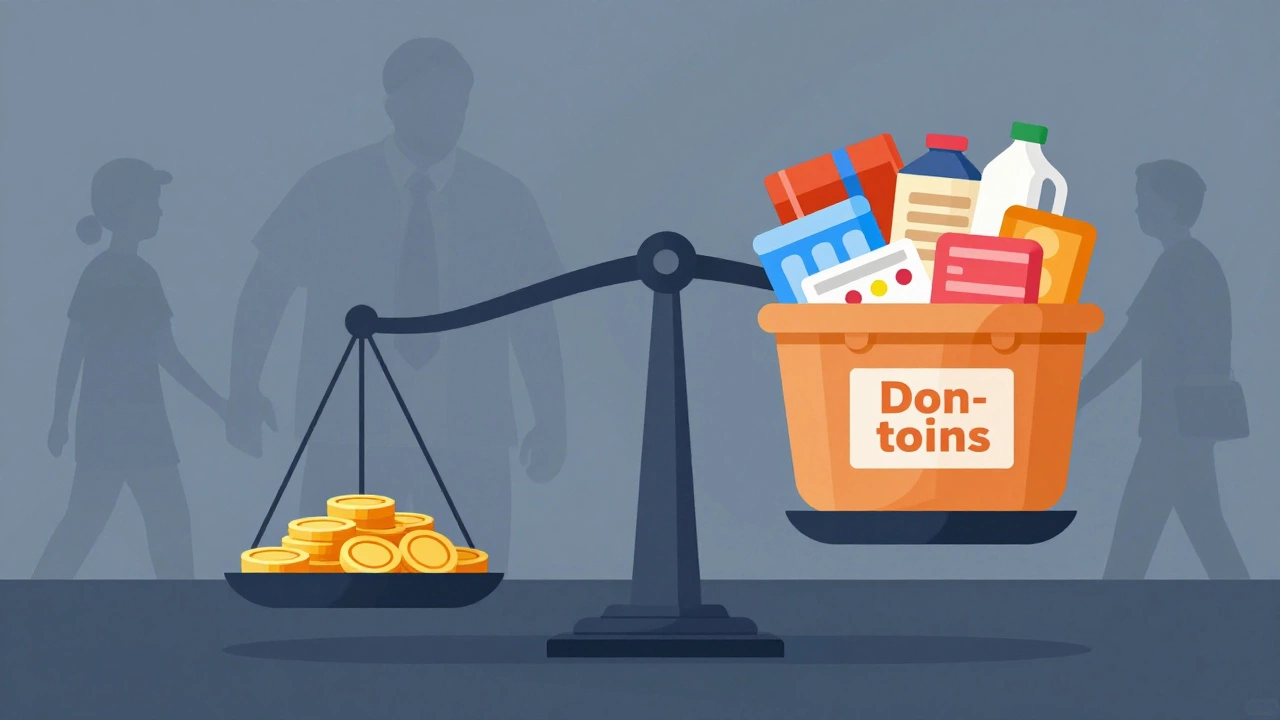
The Value of Intangibles
If money isn’t the reward, what is? Volunteering offers benefits that a paycheck simply cannot buy. These are often overlooked but are crucial to the sustainability of the sector.
| Benefit Type | Paid Employment | Volunteering |
|---|---|---|
| Financial | Salary, benefits, pension | None (usually) |
| Skill Development | Job-specific training | Broad, cross-functional experience |
| Networking | Industry peers | Diverse community leaders |
| Flexibility | Fixed shifts/hours | Choose when and where to help |
| Moral Reward | Professional achievement | Direct social impact |
Consider skill development. A marketing professional might volunteer to manage social media for a small animal rescue. They gain hands-on experience with crisis communication and low-budget campaigns-skills that are highly valuable in the corporate world. This is often called "pro bono" work when done by professionals.
Then there’s the social connection. Loneliness is a major health issue, especially among seniors and young adults moving to new cities. Volunteering places you in a community. You meet people who share your values. This sense of belonging improves mental health and reduces stress. Studies consistently show that regular volunteers report higher levels of happiness and life satisfaction than non-volunteers.
Finally, there’s the moral boost. Knowing you helped feed a family or clean a park provides a sense of purpose. This intrinsic motivation is powerful. It keeps people coming back even when the work is hard or dirty.

When Should Volunteers Be Compensated?
While volunteers shouldn’t get a salary, they shouldn’t be out of pocket either. Ethical organizations understand this. Here is what you should expect:
- Reimbursement: If you spend money on bus fare, parking, or materials for the role, the organization should reimburse you. Keep receipts.
- Meals: If you volunteer for a full day, it is standard practice to provide lunch or snacks.
- Training: Organizations should invest in your safety and effectiveness. Free training is a benefit.
- Gifts: Small tokens of appreciation, like a thank-you card or a branded t-shirt, are common and appreciated.
If an organization asks you to buy your own supplies, pay for your own transport, and offers no meals or training, reconsider your involvement. This is not sustainable volunteering; it is exploitation.
The Future of Volunteering
The landscape is changing. More companies are offering "volunteer days" as part of their corporate social responsibility programs. Employees get paid time off to volunteer. This bridges the gap between work and giving back. Additionally, micro-volunteering platforms allow people to contribute small tasks online from home, making it easier for busy professionals to help without committing to weekly shifts.
As society faces bigger challenges, from climate change to aging populations, the need for unpaid labor will grow. Understanding why volunteers don’t get paid helps us respect the system and ensure it remains fair. It allows charities to maximize their impact and gives individuals a meaningful way to contribute to something larger than themselves.
So, the next time you wonder why there’s no check in your mailbox, remember: you are investing in your community, your skills, and your well-being. That’s a return on investment money can’t measure.
Can I claim volunteer work on my taxes?
In many jurisdictions, you cannot deduct the value of your time. However, you may be able to deduct out-of-pocket expenses related to volunteering, such as mileage, uniforms, or supplies, if you itemize deductions. Check with a tax professional for rules specific to your country.
Is it illegal for a charity to pay volunteers?
Not necessarily. Charities can pay stipends or honorariums in some cases, especially for board members or specialized roles. However, paying a regular wage typically changes the relationship to employment, triggering tax and labor law requirements. Many charities avoid this complexity by keeping roles strictly unpaid.
How do I know if a volunteer role is exploitative?
Red flags include mandatory long hours, lack of training, requiring you to purchase equipment, and performing tasks that are clearly paid jobs elsewhere (like cleaning offices after hours). If you feel pressured or unsafe, speak to the coordinator or withdraw your consent.
Do volunteers need insurance?
Reputable organizations should provide liability insurance that covers volunteers while they are performing duties. Ask about this before starting. It protects you if you accidentally damage property or get injured while volunteering.
Can volunteering help me get a job?
Absolutely. Volunteering fills employment gaps, demonstrates initiative, and expands your network. Many employers view volunteer experience positively, as it shows commitment and soft skills like teamwork and empathy. List volunteer roles on your resume just like paid jobs.