Community Engagement: Practical Tips to Connect and Make a Difference
Ever wondered why some neighbourhood projects just click while others fizzle out? The secret is simple – clear, genuine community engagement. When you reach out with real purpose, people notice, join, and the impact spreads fast.
First off, know who you’re talking to. Grab a notebook, walk around your area, and jot down the groups that need help – seniors, youth clubs, local businesses, or new residents. This quick audit gives you a target list and shows you where the biggest gaps are.
Start Simple: One‑Step Outreach Plans
Don’t try to launch a massive program on day one. Pick one small project that solves a clear need – like a weekly park clean‑up or a free coffee morning for isolated neighbours. Set a date, choose a spot, and invite a few friends. When the event runs smoothly, you’ve built trust and a ready‑made volunteer crew for the next step.
Clear goals keep everyone on track. Write down what success looks like – maybe 20 volunteers show up, or you collect ten bags of litter. Measure it right after the event and share the results with participants. Seeing concrete numbers makes people feel their effort mattered and encourages repeat involvement.
Five Core Elements for Ongoing Engagement
1. Clarity – Explain the purpose in one sentence. “We’re cleaning the park so families can enjoy safe play space.”
2. Consistency – Hold events on the same day each month. Regularity builds habit.
3. Connection – Use simple tools like a WhatsApp group or a community notice board. Keep the conversation going, not just on event days.
4. Collaboration – Invite local shops to provide snacks or supplies. When businesses see the benefit, they’ll pitch in.
5. Communication – After each activity, send a quick thank‑you note and a snapshot of the outcome. A short thank‑you email works better than a long report.
Putting these five C’s together turns a one‑off task into a lasting community habit. Volunteers feel valued, neighbours see tangible change, and the whole area becomes more connected.
Another quick win is to talk the language of your audience. Instead of saying “outreach,” you might call it “neighbourhood help” or “local sharing.” Small word changes can make the project feel more personal and less bureaucratic.
Finally, keep the fun factor alive. Add a simple ice‑breaker, a music playlist, or a photo booth at events. When people associate the activity with good vibes, they’ll spread the word naturally.
Community engagement isn’t a lofty concept reserved for big NGOs. It starts with a walk, a chat, and a clear, small step. Try one of the ideas above this week, track the result, and watch how quickly your own circle of helpers grows.

What are the 5 C's of community? A Guide to Building Strong Connections
Explore the 5 C's of community: Connection, Capacity, Commonality, Care, and Citizenship. Learn how to build resilient networks for effective community outreach and engagement.
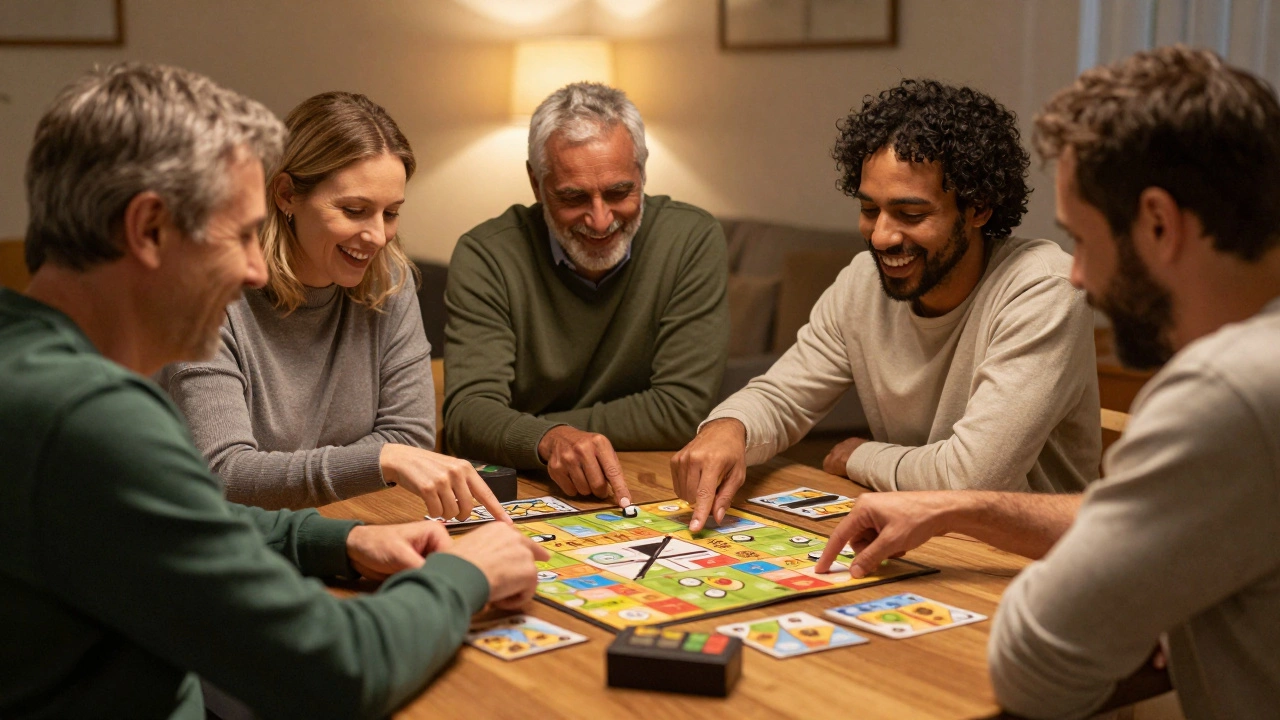
What is the Best Place to Make Friends: A 2026 Guide
Discover the best places to make friends in 2026. From social clubs and volunteering to digital apps, learn practical strategies to build meaningful connections and overcome social anxiety.

What Are the Most Common Social Clubs? A Real-World Look at Who Joins and Why
Discover the most common social clubs today-from book clubs and walking groups to puzzle circles and volunteer collectives. Learn why they matter, who joins them, and how to find one near you.
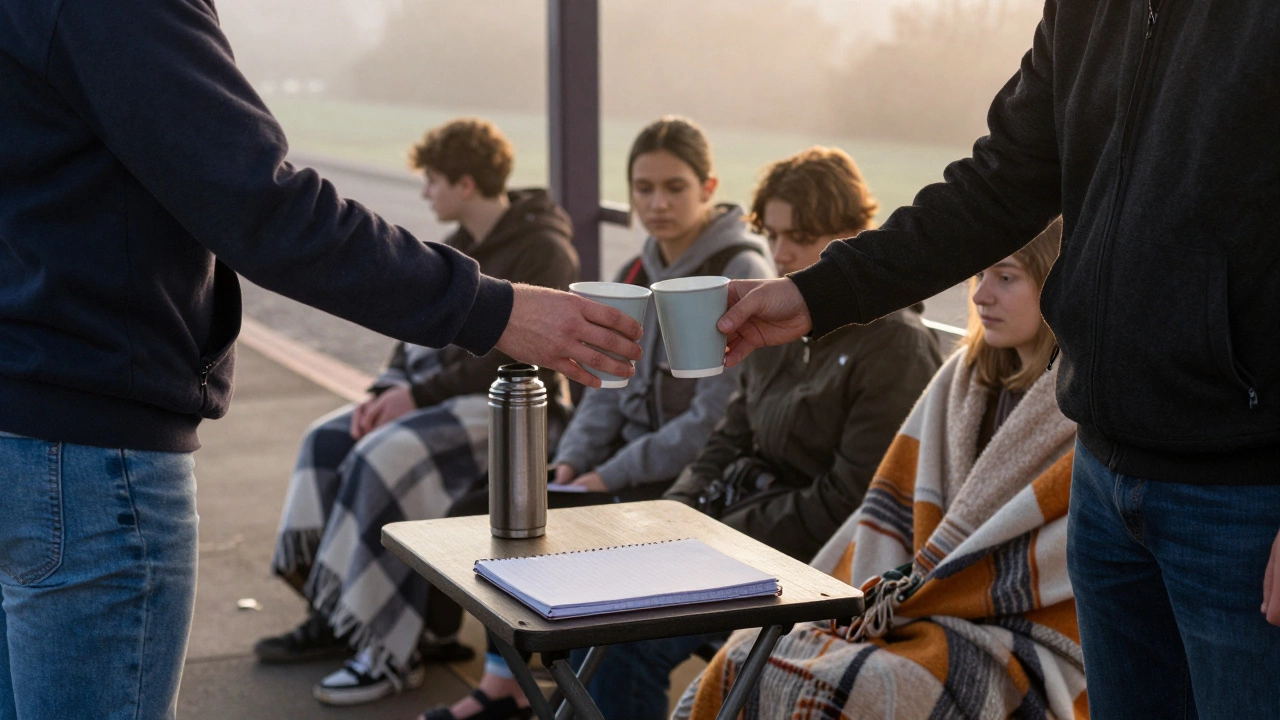
How Do I Get Better Outreach? Practical Steps for Stronger Community Connections
Better community outreach isn't about big events - it's about showing up consistently, listening deeply, and building real trust. Learn practical steps to connect with your community and make lasting change.

What Does a Real Support Group Look Like? Common Examples Explained
A true support group is a peer-led gathering where people with shared experiences offer mutual understanding without professional guidance. Common examples include recovery circles, grief groups, and parent networks. Learn what makes them different from therapy or counseling.

What Were Social Clubs Used For?
Social clubs were more than just places to socialize-they provided mutual aid, education, political organizing, and community support before modern safety nets existed. Their legacy still matters today.
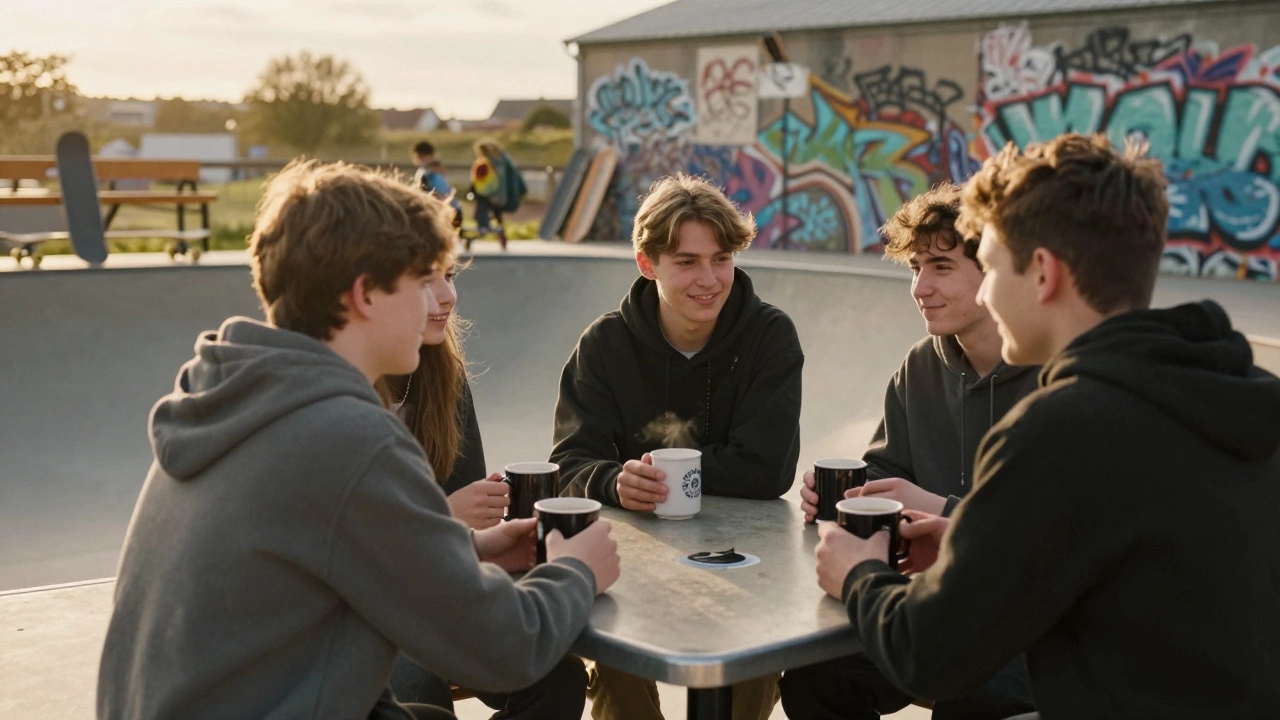
How to Conduct a Community Outreach: A Practical Guide
Learn how to conduct meaningful community outreach by listening first, partnering locally, and showing up consistently. Real change comes from trust-not campaigns.

Where to Make Friends in Richmond: Best Places to Build Real Connections
Discover the best places in Richmond to make real friends - from book clubs and volunteer groups to hiking meetups and board game nights. No pressure, no pretense, just genuine connections.
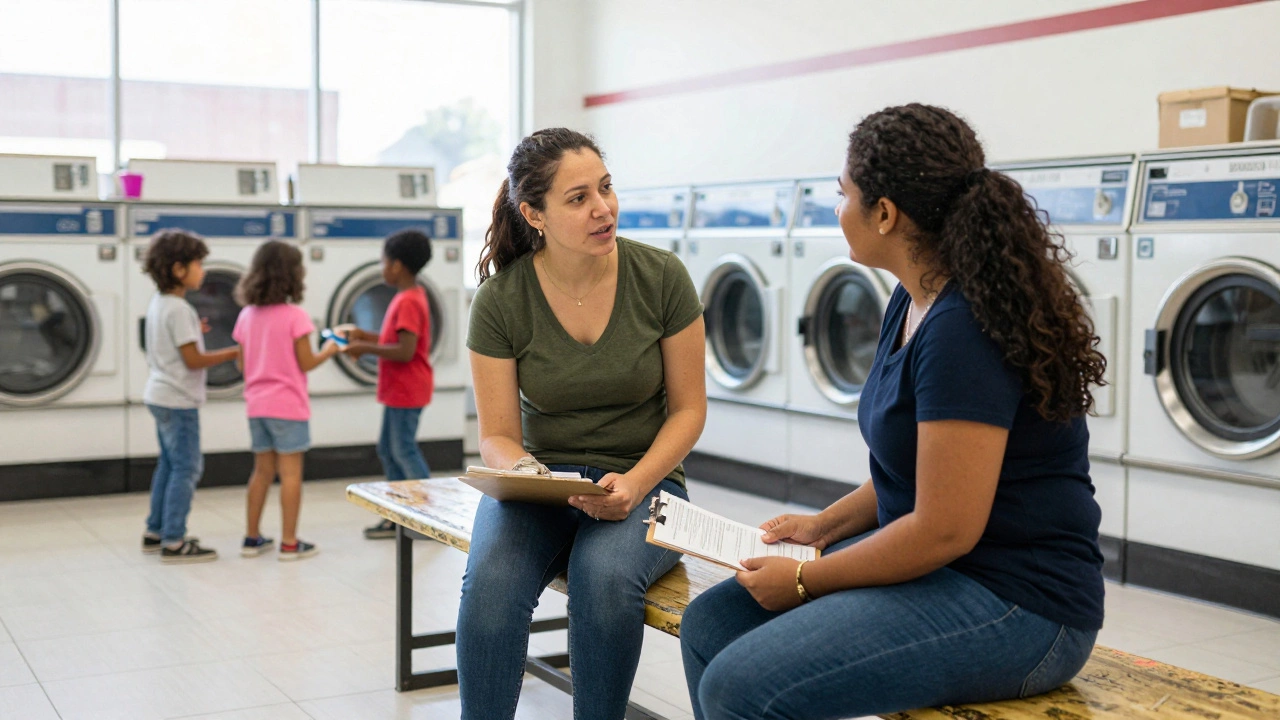
What Is the Best Definition of Outreach? A Practical Guide for Community Work
The best definition of outreach isn’t about programs or posters - it’s about listening, showing up, and building trust over time. Real outreach starts where people are, not where you think they should be.

What Kind of Tasks Can You Create in Outreach?
Discover practical, real-world outreach tasks that build trust and create real change in communities-from door-to-door check-ins to peer ambassadors and pop-up services. No fluff, just what works.
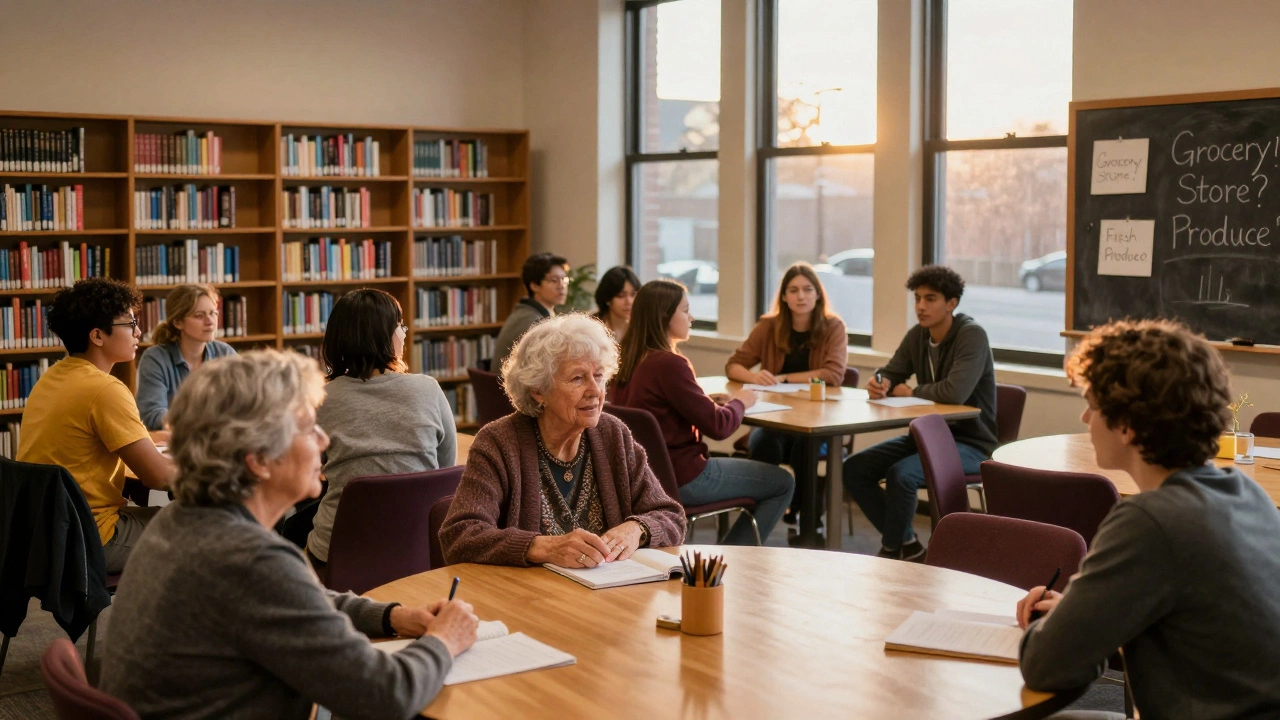
What Makes a Successful Outreach Program? Key Elements That Actually Work
A successful outreach program isn't about flashy events or big budgets-it's about trust, listening, and showing up consistently. Real change happens when communities lead, not when outsiders dictate.

What Are the Roles and Responsibilities of Community Outreach?
Community outreach isn't about flashy events-it's about listening, building trust, and connecting people to real support. Learn the core roles and responsibilities that make it work, from advocacy to follow-up, with real examples from Scotland.